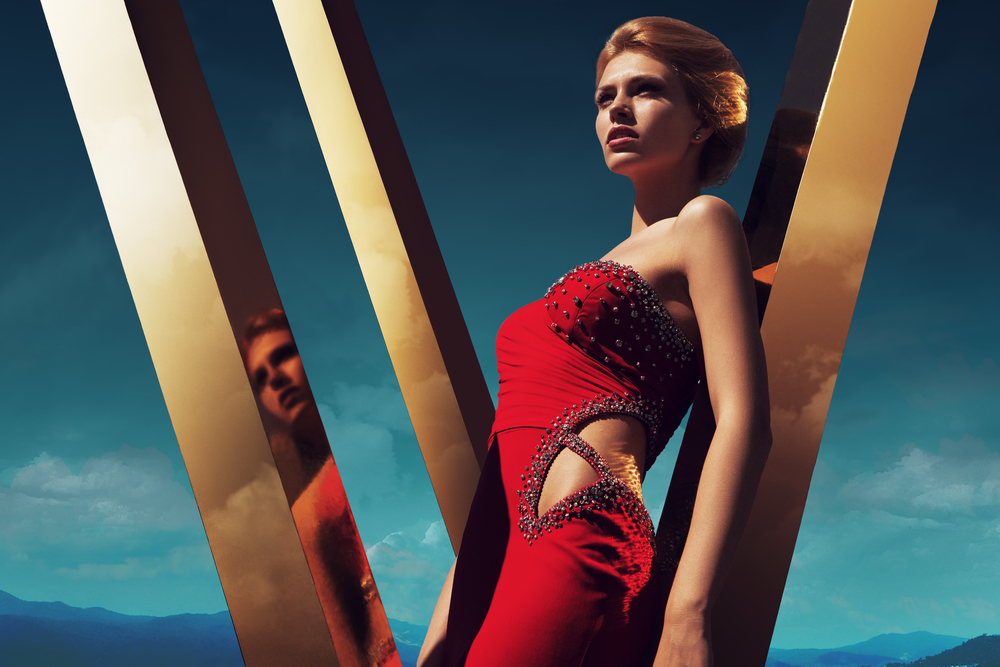
In the world of photography, the model plays a crucial role in bringing life and meaning to the images captured. A skilled model has the power to transform a photoshoot from mundane to magnificent with their poses and expressions. Modeling, when done right, can create stunning and captivating photographs that leave a lasting impact on the viewers. In this article, we will explore the art of modeling (by models) and discuss tips and techniques to master poses and expressions for unforgettable photoshoots.
1. The Importance of Posesmodeling (or modelling) is not just about standing in front of the camera and smiling. To create compelling images, models need to understand the importance of poses. The right pose can accentuate the model's features, highlight the intended mood, and add an element of storytelling to the photograph.
When selecting poses, it's essential to consider the theme or concept of the photoshoot. Are you aiming for a casual, playful vibe or a more intense and dramatic look? Researching poses that align with the desired theme will help you communicate your vision effectively.
Experimenting with different poses is key to finding what works best for you. The more comfortable you become with your body, the easier it will be to strike poses that project confidence and elegance. Practice in front of a mirror or take part in modelling workshops to learn from seasoned professionals.
Remember to keep your posture in mind during a photoshoot. Stand tall, elongate your neck, and engage your core muscles to maintain a natural and graceful stance. Good posture will add credibility to your images and make you appear more confident and approachable.
2. Facial Expressions that Speak a Thousand WordsBeyond poses, facial expressions have the power to convey emotions and connect with viewers on a deeper level. A well-executed expression can captivate the audience and tell a story with just a single glance.
The key to mastering facial expressions is to practice in front of a mirror. Experiment with different emotions, from joy and excitement to vulnerability and intensity. Pay attention to your eyes, as they are often the focal point of a portrait. Practice conveying emotion through your eyes and learn how to make them radiate life and energy.
Remember to keep your expressions natural. Overdoing it can result in forced and inauthentic images. Develop your ability to subtly convey emotions through nuanced facial movements. A soft smile, a sultry gaze, or a playful smirk can work wonders in evoking a particular mood or character.
3. Communication with the Photographer
The relationship between the model and the photographer is crucial for a successful photoshoot. As a model, your ability to understand and fulfill the photographer's vision is essential.
Before the shoot, have a conversation with the photographer to clarify their expectations and the concept they want to achieve. Understanding their artistic direction will enable you to better comprehend the poses and expressions required.
During the shoot, maintain an open line of communication. Ask for feedback, seek guidance, and be receptive to suggestions. Collaboration between the model and the photographer often leads to the best results. Remember, the photographer is there to capture your best angles and moments, so trust their expertise and work together to create outstanding photographs.
4. Utilizing Props and Wardrobe
Props and wardrobe choices can enhance the overall image and elevate the storytelling aspect of a photoshoot. By incorporating props and carefully selecting outfits, models can breathe life into their poses and expressions.
When considering props, think about their relevance to the concept and how they can contribute to the narrative or character you are portraying. Props can add depth, context, and visual interest to an image. They can also help with creating natural and dynamic poses by giving you something to interact with.
Similarly, wardrobe choices play a vital role in modeling . The clothes you wear should complement the theme or concept of the photoshoot, as well as your body type. Experiment with different styles and cuts to find what flatters you the most. Pay attention to how the clothes drape on your body and how they might influence your poses and movements.
5. Tips for a Successful Photoshoot
To ensure a successful photoshoot and maximize your modelling (or modeling) potential, it's important to keep a few key tips in mind:
a. Practice different poses and expressions regularly to improve your versatility.
b. Study and draw inspiration from fashion magazines, art books, and online sources to expand your posing repertoire.c. Develop your confidence and self-awareness by participating in modeling workshops or collaborating with other creatives in the industry.
d. Maintain a healthy and balanced lifestyle to take care of your physical and mental well-being, both crucial for modeling success.
e. Always be punctual, professional, and respectful on set. Building a good reputation will open doors to more opportunities in the future.
Frequently Asked Questions
Q1. How can I become a professional model?A1. Becoming a professional model requires a combination of talent, hard work, and determination. Start by building a portfolio of your best images and reaching out to modeling agencies or photographers. Attend castings and go-sees, and continuously improve your skills through practice and education.
Q2. How do I overcome camera shyness?
A2. Camera shyness is common, but it can be overcome with practice and experience. Start by practicing in front of a mirror or with a close friend or family member as the photographer. Gradually expose yourself to more professional settings, such as test shoots or small projects, to build confidence in front of the camera.
Q3. How do I find my signature modeling style?
A3. Experimentation is key to finding your signature style. Try different genres of modeling, from fashion to beauty and editorial. Explore various poses, expressions, and wardrobes to discover what resonates with you and showcases your unique strengths.
Q4. Can anyone become a model?
A4. Modeling is a diverse field that welcomes individuals of all shapes, sizes, and backgrounds. While certain niche markets may have specific requirements, there are opportunities for aspiring models to find success in various sectors, such as commercial, plus-size, or fitness modeling.
Q5. How do I prepare for a photoshoot?
A5. Preparation is essential for a successful photoshoot. Start by communicating with the photographer to understand the concept and desired outcome. Practice poses and expressions in advance, and make sure to get a good night's sleep, stay hydrated, and have a light meal before the shoot to feel and look your best.
In conclusion, the art of modeling involves mastering poses and expressions to create stunning photoshoots. By understanding the importance of poses, utilizing facial expressions effectively, communicating with the photographer, incorporating props and wardrobe, and following key tips for success, models can elevate their skills and create captivating images. Remember, modeling is an ongoing journey of self-discovery and improvement, so embrace the process and enjoy the artistry that comes with it.
Other useful resources
- https://blog.planetmodelphoto.com